Pre-Crusade Northern Peoples
A meticulous digital archive documenting the distinct tribal identities, complex trade networks, and daily life of early medieval Fennoscandia and the Baltic.
The Tribal Networks
Before the northern crusades, Fennoscandia was a mosaic of sovereign tribes with sophisticated social structures and distinct material cultures.
Pre-Crusade Finns
Karelian Traders
Baltic Tribes
Inhabitants of the southwestern coast, defined by rich agricultural settlements, complex burial rites, and early maritime trade.
Master metalworkers and fur merchants who bridged the Baltic and Novgorod networks through strategic inland waterways.
Sovereign clans of Curonians and Semigallians, renowned for their formidable coastal defense and deep sacred oak groves.
Tavastian Iron Routes
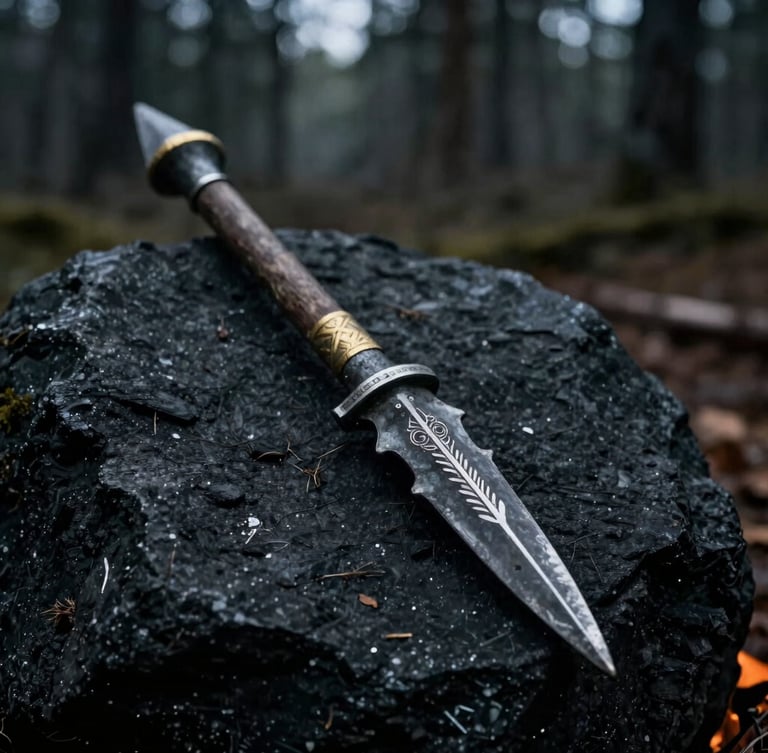
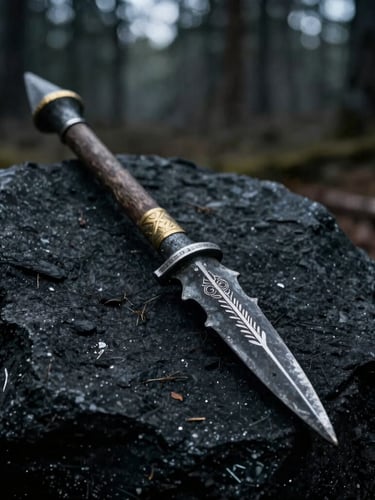
The Tavastians controlled the vast interior lake systems of modern Finland. Their power rested on strategic hillforts and the control of seasonal hunting grounds, trading furs for southern Baltic bronze and weapons.
Archaeological excavations reveal rich weapon graves and extensive hillfort networks, testifying to a highly organized society capable of defending its territory against both eastern and western expansion.
Sámi Ecological Memory
The Sámi maintained a sophisticated semi-nomadic economy based on reindeer husbandry, hunting, and seasonal migration. Their relationship with neighboring agricultural tribes was defined by complex tributary networks and mutual trade, rather than isolation.
The Quiet Frontier
Examine the primary sources and archaeological papers that reconstruct the pre-crusade North.